
Introduction
Typing best guiso de lentejas near me into a search bar usually means one thing: you want a proper bowl of lentil stew, thick, warming, and cooked with care.
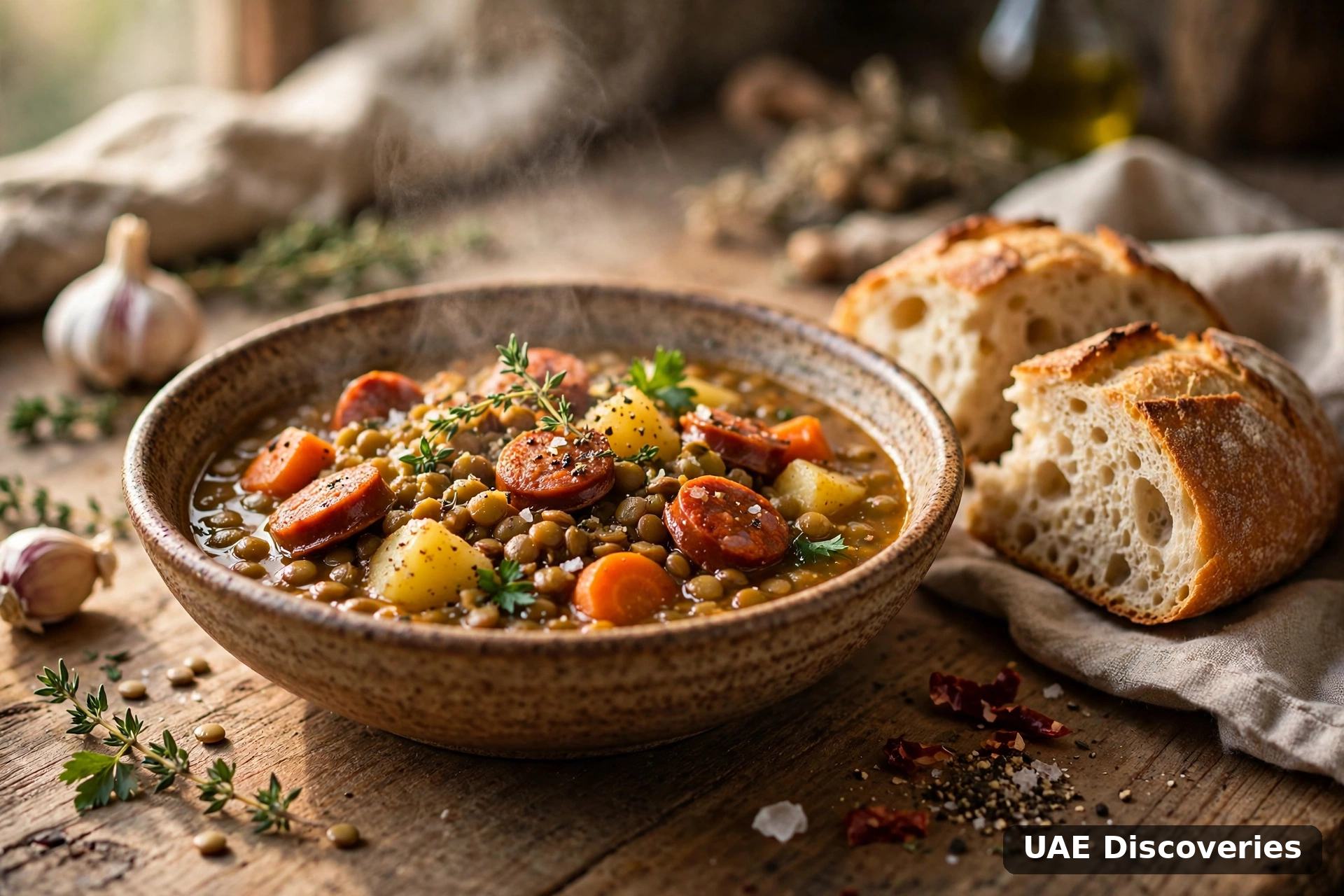
Guiso de lentejas is a traditional dish in many Spanish-speaking homes. Lentils simmer with vegetables, herbs, and stock, and some versions add beef or sausage while others stay plant-based.
This guide explains how to find restaurants serving it, compare reviews and regional styles, and check menus before you visit. It also covers prices, takeaway, and making it at home.
What is Guiso de Lentejas?
Guiso de lentejas is the Spanish name for lentil stew. Lentils cook slowly with vegetables, seasonings, and liquid until everything turns tender and the flavors merge into one pot.
Unlike a thin lentil soup, a guiso is usually thicker and more substantial. Some versions keep a rich broth, while others reduce until the liquid clings to the lentils like a sauce.
The dish is flexible by design. Onions, carrots, tomatoes, potatoes, and garlic build the base, and the cook decides whether meat joins them or the pot stays vegetarian.
Common Ingredients in Traditional Guiso de Lentejas
Lentils form the base and absorb flavor as they cook. Onion and garlic start the pot, while carrots, potatoes, and tomatoes add sweetness, body, and color.
Paprika, cumin, black pepper, and bay leaves are the classic seasonings, though no recipe uses all of them every time. Chorizo, beef, bacon, or sausage appear in meat-based versions.
The liquid matters more than people expect. Vegetable broth keeps the stew plant-based, while meat stock deepens it, so ask about the stock if you avoid meat products.
Lentil Varieties Compared: Brown, Green, Red and Pardina
Not every lentil behaves the same in a long simmer, and the variety explains much of the texture difference between one restaurant’s stew and another’s.
| Lentil type | Texture after cooking | Best suited to |
|---|---|---|
| Brown | Soft, breaks down slightly | Thick, hearty stews |
| Green | Holds its shape well | Stews with distinct lentils |
| Pardina | Small, firm, nutty | Spanish-style lentejas |
| Red | Very soft, almost melts | Smooth, thickened soups |
Brown and green lentils are the most common choices for guiso de lentejas. Red lentils cook down too far for a classic stew, though some cooks stir in a handful to thicken the broth naturally. how different lentil varieties behave in stews
Where to Find the Best Guiso de Lentejas Near Me?
Enter “best guiso de lentejas near me” into Google Search or Google Maps first. Then try “lentil stew near me,” “lentejas guisadas,” or “Argentine lentil stew” to widen the net.
Spanish, Argentine, Uruguayan, and other Latin American restaurants are the obvious places to check. Family-run spots and home-style cafés often serve it as a daily special rather than a permanent menu item.
Season matters. Because the dish suits cooler weather, some kitchens offer it mainly in autumn and winter, or on certain days of the week.
Which Types of Restaurants Usually Serve Guiso de Lentejas?
Argentine and Uruguayan restaurants tend to serve hearty versions with meat and vegetables. Spanish restaurants lean on paprika, vegetables, and sometimes chorizo for a smokier pot.
Other Latin American eateries prepare their own family versions with local ingredients. A restaurant’s cuisine never guarantees the dish, though, so check the current menu or call ahead.
Delis and market food stalls are worth a look too. Spanish and Latin American grocers with a hot-food counter sometimes serve a daily stew that never appears on a website.
How to Find Hidden Local Food Spots?
Smaller restaurants often hide in plain sight. Recent customer photos, neighborhood food groups, and word-of-mouth recommendations surface places that barely advertise.
Look for reviews that mention the stew itself, not just the restaurant’s atmosphere. A detailed, recent review from someone who ordered the lentejas is worth more than a dozen general ones.
If the dish is not listed online, call and ask whether it is on that day. Many kitchens rotate it quietly and will happily confirm.
Ordering in Spanish: Phrases That Help You Ask for the Stew You Want
A few Spanish phrases make ordering easier, especially in family-run restaurants where the menu board is handwritten and the staff switch languages mid-sentence.
- “¿Tienen guiso de lentejas hoy?” — Do you have lentil stew today?
- “¿Lleva carne o es vegetariano?” — Does it contain meat, or is it vegetarian?
- “¿El caldo es de carne o de verduras?” — Is the stock meat or vegetable?
- “¿Pica mucho?” — Is it very spicy?
- “Para llevar, por favor” — To take away, please
Even imperfect Spanish usually earns a helpful answer, and asking about the stock is the single most useful question for anyone avoiding meat.
How to Choose the Best Guiso de Lentejas Restaurant?
Compare recent reviews, food photos, menu descriptions, prices, and serving options. Star ratings narrow the field, but they cannot tell you how one particular stew tastes.
Read comments describing the lentils, seasoning, portion size, and freshness. Photos help judge consistency and the balance of ingredients, although they cannot confirm flavor.
Also weigh distance, opening hours, service, and whether you want to dine in or take the stew home. The best choice balances all of these, not just proximity.
What Makes a Great Bowl of Guiso de Lentejas?
The lentils should be tender without collapsing into mush. Vegetables should be cooked through but still hold some texture, and any meat should be properly cooked and easy to eat.
The broth should match the style: thick and rich, or a little lighter, but never watery and bland. Seasoning should support the lentils rather than shout over them.
Finally, the bowl should arrive hot and feel generous for its price. A small, lukewarm portion undermines even a well-seasoned stew.
Questions to Ask Before Ordering
Ask whether the stew is available that day and whether the kitchen prepares it in-house. Batch-cooked yesterday is normal for stews; reheated from frozen is worth knowing too.
Confirm the ingredients if you have dietary needs: meat, animal fat, meat stock, and gluten can all hide in a traditional recipe. Ask about portion size and included sides as well.
Red Flags: Signs of a Mediocre Lentil Stew
Some bowls disappoint in predictable ways. Watch for these signs in photos, reviews, and the first spoonful:
- A thin, watery broth with lentils floating rather than nestled in sauce
- Lentils that are crunchy in the center, a sign of rushed cooking
- A greasy film on the surface from low-quality sausage or excess oil
- One-note seasoning, usually just salt, with no warmth from paprika or cumin
- Vegetables cooked to collapse, with carrots and potatoes indistinguishable
- A portion that is mostly broth, with lentils sparse at the bottom
- A stew served lukewarm, which flattens both flavor and texture
A stew improves with slow cooking and a rest before serving, so a kitchen bragging about speed is telling you something. Freshness matters, but haste is this dish’s enemy.
Popular Regional Styles of Guiso de Lentejas
Guiso de lentejas has no single fixed recipe. Ingredients, seasoning, and consistency shift with the country, the region, and the cook standing at the stove.
Argentine and Uruguayan Lentil Stew
Argentine and Uruguayan versions are hearty main meals: lentils with onions, carrots, potatoes, tomatoes, and warm spices. Many cooks add pumpkin or sweet potato for sweetness.
Chorizo, beef, or bacon often joins the pot, giving the stew a deeper, richer flavor. Expect a thick bowl that needs nothing more than bread beside it.
Spanish-Style Lentil Stew
Spanish lentejas rely on a sofrito of onion and garlic, good olive oil, and smoked paprika as the backbone. Chorizo is common, though plenty of vegetable-only versions exist.
Texture ranges from a thick, spoon-standing stew to one with more broth. La Vera paprika, sweet or hot, is the flavor most people remember afterwards.
In Spain the dish is everyday home cooking, the kind made on a weekday without ceremony. Restaurants that serve it usually follow that same unfussy, family style.
Vegetarian and Vegan Lentil Stew
Plant-based versions build depth without meat: vegetables, herbs, vegetable stock, smoked paprika, and mushrooms all help. The paprika does much of the work that chorizo usually does.
If you need the stew vegetarian or vegan, verify the stock and cooking fat, not just the visible ingredients. A vegetable-looking stew can still be cooked in meat stock.
The best plant-based versions taste complete rather than like something is missing. Slow-cooked onions, garlic, and tomato give the broth the depth that meat would otherwise provide.
Guiso de Lentejas Menu Prices, Portions and Value
Price depends on the restaurant’s location, ingredient quality, portion size, and service style. A casual café charges differently from a full-service restaurant, and meat versions often cost a little more.
As a rough guide, a main-course bowl at a casual restaurant in many cities often lands somewhere around $10 to $20, with lunch specials below that and generous meat versions above it. Prices vary a lot, so compare what actually arrives in the bowl.
| What to compare | What to check |
|---|---|
| Portion size | Is it a snack, side, or full meal? |
| Ingredients | Does it include meat, vegetables, or premium additions? |
| Extras | Are bread, rice, or other sides included? |
| Total cost | Are taxes, delivery fees, or service charges added? |
Is Guiso de Lentejas Better for Lunch or Dinner?
The stew works at either meal. Its filling ingredients make it practical for lunch, and satisfying enough to anchor dinner without much else on the table.
Some restaurants serve it as a lunch special, others all day, and some only on set days. Check the menu and serving hours before travelling across town for it.
Lunch has one quiet advantage: the stew is often at its freshest, cooked that morning. At dinner, ask whether the bowl is freshly made or reheated from lunch service.
Best Ways to Order Guiso de Lentejas for Takeaway or Delivery
Check restaurant websites and local delivery apps, and confirm the dish is actually being prepared that day. A menu listing does not always mean the kitchen is cooking it.
Read recent delivery reviews for packaging quality, correct orders, and arrival temperature. Ask whether bread or another side is included, and check the portion before paying.
Lentil stew travels better than most dishes, but it still needs a secure, leak-proof container. Eat it promptly on arrival, or refrigerate it safely for later.
What to Eat With Guiso de Lentejas?
The stew is filling enough to stand alone, yet one good side lifts it. Crusty bread or a fresh roll is the classic partner, made for soaking up the broth.
A simple green salad adds freshness against the richness. Some restaurants serve rice alongside, depending on their tradition, and a squeeze of lemon brightens certain recipes.
Keep it simple. Lentils and vegetables already deliver plenty of texture and flavor, so one modest side is usually enough to complete the meal.
¿Es guiso de Lentejas Healthy?
Lentils provide plant-based protein, dietary fiber, and important nutrients such as iron and folate. Cooked with vegetables, they form the base of a genuinely balanced meal. the nutritional profile of lentils
The recipe decides the rest. A vegetable-rich stew with moderate oil differs sharply from one loaded with bacon, sausage, and salt, and portion size shifts the picture further.
Restaurant versions vary considerably, so never assume two bowls share the same nutritional content. If a restaurant publishes nutrition information, use it rather than guessing.
Is Guiso de Lentejas Vegetarian or Gluten-Free?
Some versions are vegetarian or vegan; others contain meat, animal fat, or meat stock. The visible vegetables tell only half the story, so always ask.
Gluten-free suitability depends on the broth, seasonings, and any processed meats in the pot. If you have an allergy, ask about ingredients and cross-contact during preparation.
How to Make Guiso de Lentejas at Home?
If no restaurant nearby satisfies you, the home version is forgiving. You need lentils, onion, garlic, carrots, tomatoes, potatoes if you like, stock, oil, and seasonings.
Simple Steps for Homemade Lentil Stew
- Rinse the lentils and chop the vegetables into even pieces.
- Soften the onion and garlic in oil until fragrant.
- Add carrots, tomatoes, and seasonings, and stir for a few minutes.
- Add the lentils and stock, then bring everything to a gentle simmer.
- Cook until the lentils and vegetables are tender, adding liquid if needed.
- Taste, adjust the salt and spices, and serve hot.
Cooking time depends on the lentil type and age, so check tenderness rather than watching the clock. Add potatoes partway through if you want them to hold their shape.
Tips for Better Flavor and Texture
Do not boil the lentils into collapse. A gentle simmer keeps them tender but intact, and the stew’s texture stays interesting.
Add liquid gradually to land on your preferred consistency, and let the finished stew rest off the heat for a short while. The flavors settle noticeably in that pause.
Season in layers rather than all at once. Salt early helps the vegetables, but the final adjustment belongs at the end, once the broth has reduced and concentrated.
How to Store and Reheat Leftover Guiso de Lentejas
Guiso de lentejas keeps beautifully, and many cooks insist it tastes better the next day. Cool it promptly and refrigerate it in a covered container within 2 hours of cooking. official food-safety guidance on storing leftovers
In the fridge, the stew stays good for 3 to 4 days. It thickens as it sits, so loosen it with a splash of water or stock when reheating.
Freeze extra portions in sealed containers for an easy future meal. Reheat until piping hot throughout, reaching 165°F (74°C), and stir so the thick stew heats evenly.
Common Mistakes to Avoid When Searching for the Best Guiso de Lentejas Near Me
Choosing a restaurant only because it is close is the most common mistake. Convenience says nothing about style, and the nearest stew may be a thin soup in disguise.
Trusting star ratings without reading comments runs a close second. A restaurant can be excellent generally and still serve an ordinary lentejas, so look for dish-specific feedback.
Finally, never assume the stew is served daily. It may be seasonal or a lunch special, and portion sizes, dietary details, and delivery fees all deserve a quick check first.
Frequently Asked Questions
1. What does guiso de lentejas mean in English?
Guiso de lentejas means lentil stew in English. It is a dish of lentils cooked with vegetables, seasonings, and liquid, and some versions also include meat or sausage.
2. How can I tell whether a restaurant makes its lentil stew from scratch?
Ask the staff whether the kitchen prepares it in-house, and look for detailed reviews mentioning flavor and texture. Appearance alone cannot prove a stew is homemade.
3. Are brown or green lentils better for guiso de lentejas?
Both work well. Brown lentils soften more and thicken the stew, while green lentils hold their shape better. The better choice depends on the texture you prefer.
4. Can I request less salt or a milder seasoning?
Often, yes, but it depends on how the stew is prepared. If it is cooked in a large batch, adjustments may be limited, so ask before ordering.
5. Can I freeze leftover guiso de lentejas?
Yes, most lentil stews freeze well. Cool the food safely, divide it into suitable containers, and freeze promptly. Thaw safely and reheat thoroughly before serving.
Conclusion
Finding the best guiso de lentejas near me starts with a simple search, but choosing well takes a little more care. Check current menus, read recent reviews, and compare portions before ordering.
Spanish, Argentine, Uruguayan, and other Latin American restaurants are the most promising places to explore, though availability varies by neighborhood and season.
Decide what matters most to you: traditional flavor, a vegetarian recipe, a generous portion, or easy delivery. And if nothing nearby fits, the homemade version is genuinely worth trying.