
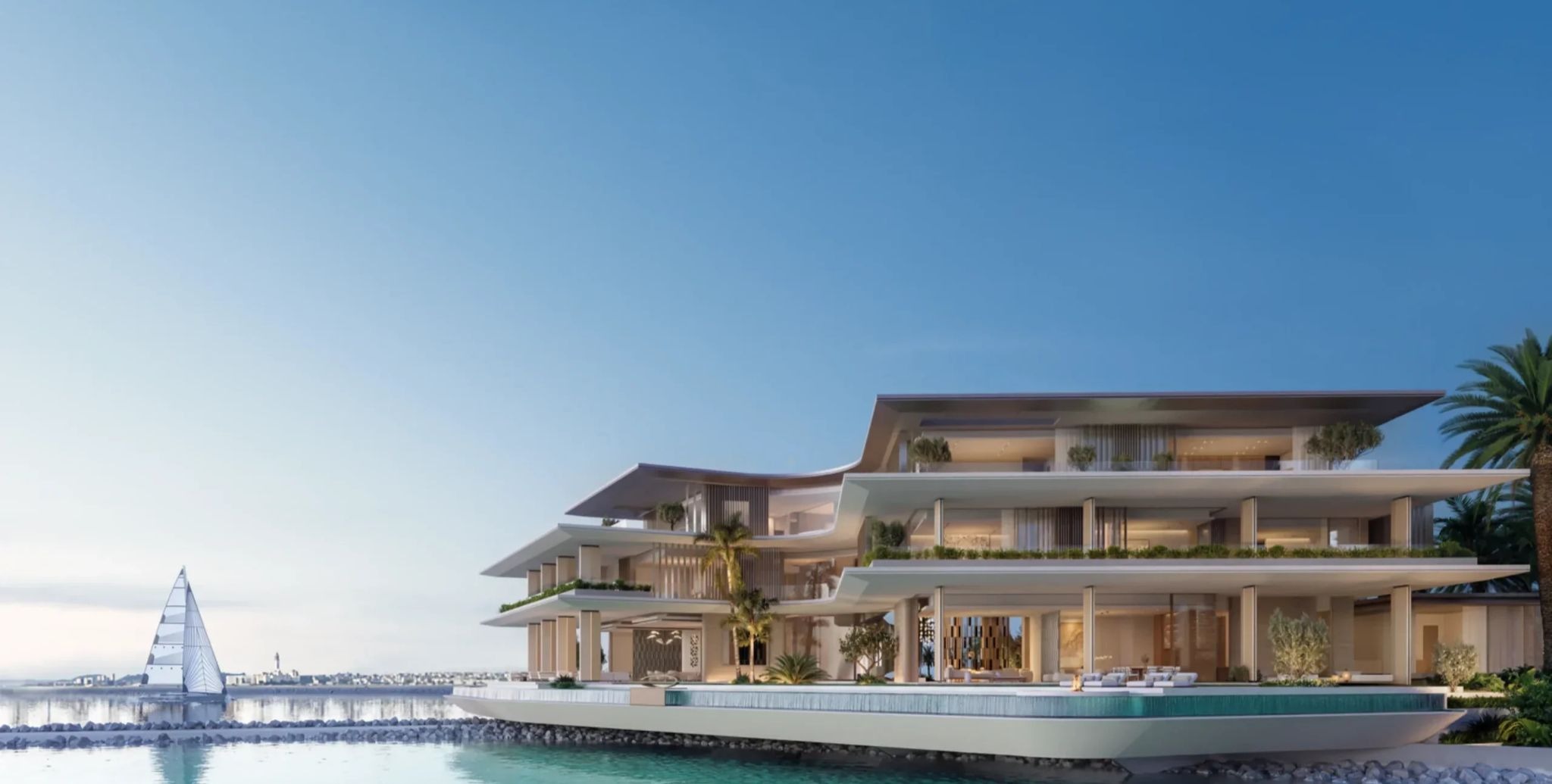
Every few years, a property market finds the theme that defines it. In 2026, the theme of the capital was water. Record transaction values, landmark launches and a surge in overseas buyers all pointed the same way, and waterfront developments in Abu Dhabi became the centre of attention for investors, families and city planners alike.
This review looks at what actually happened, why it mattered and what buyers can learn from it. The numbers come first, because they explain almost everything that followed. Along the way, the review also shows how one completed community compares with the year’s biggest announcements, and what that contrast means for anyone weighing a waterfront purchase.
A Record Year Puts the Numbers in Context
Abu Dhabi’s real estate market spent 2026 breaking its own records. According to the Abu Dhabi Real Estate Centre (ADREC), total transactions reached AED 117 billion in the first half of the year, a rise of 112 per cent on the same period of 2025. By the end of September, the nine-month total stood at AED 171.26 billion, up 76.1 per cent, across 38,483 transactions. The market had already passed the AED 142 billion recorded for the whole of 2025 after only eight months.
Residential sales tell an even sharper story. In the first half, homes worth AED 70.4 billion changed hands, compared with AED 25.3 billion a year earlier. Off-plan purchases made up 89 per cent of that value, which shows how strongly buyers were backing projects still on the drawing board.
The momentum carried through the third quarter. Over the first nine months, sales value more than doubled to nearly AED 120 billion, and sales transactions grew by almost 50 per cent to 23,749. Mortgage activity contributed about AED 46 billion, which shows that buyers were not relying on cash alone.
One detail stands out. The four leading districts by residential sales value in the first half were all islands: Hudayriyat Island (AED 19 billion), Saadiyat Island (AED 13.3 billion), Al Reem and Al Maryah Islands together (AED 10.5 billion), and Yas Island (AED 7.3 billion). The pattern is hard to miss. Demand clustered around the coastline.
Marquee Launches Reshaped the Shoreline
The year also produced announcements that will define Abu Dhabi’s coast for a long time to come.
In January, Emirates Developments unveiled Jumeirah Residences Al Maryah Island at an event held at Louvre Abu Dhabi. The branded project overlooks a waterfront canal and offers direct promenade access. In July, Aldar introduced Yas Point, a waterfront destination valued at AED 6 billion. It covers about 600,000 square metres on the northern side of Yas Island and plans 1,600 branded residences alongside a five-star resort hotel.
Then came the headline act. On 22 July, Aldar launched Marsa Al Saadiyat, an AED 100 billion district of 6.4 million square metres with room for more than 58,000 residents. The plan includes the emirate’s largest marina, with berths for about 350 yachts and sailing boats, 8 km of waterfront, 5.6 km of beaches and an underground Etihad Rail station. Enabling works were scheduled to begin in the third quarter, with the first residential sales planned for the second half of 2026.
Everyday life is part of the plan as well. Marsa Al Saadiyat includes 140 km of walking trails, a 46 km cycling network and three schools, with road and tunnel links to Reem Island and Umm Yifeenah Island. That mix of leisure, learning and connectivity is what turns a marina into a neighbourhood.
Taken together, these launches point to a change in planning. The water is no longer treated as a pretty backdrop. It is being treated as infrastructure, with transport, schools, culture and hospitality arranged around it.
Why Buyers Followed the Water in 2026
Several forces pushed demand in the same direction.
- Foreign capital arrived in force. More than 70 per cent of residential sales value in the first half came from resident expatriates and non-resident foreign investors. By September, foreign direct investment by non-resident individuals had reached AED 17.22 billion, more than double the AED 8.2 billion recorded for all of 2025.
- Prices responded. ADREC data showed repeat-sale prices rising 20 per cent year on year for apartments and 12 per cent for villas in the first half.
- Lifestyle became part of the investment case. Waterfront communities now sit close to cultural institutions, international schools and leisure destinations, which supports both daily living and long-term demand.
- The pipeline kept growing. ADREC registered 54 new development projects in the first nine months, and it expects six districts, including Saadiyat, Al Reem, Yas and Hudayriyat, to account for 77 per cent of projected new residential supply through 2030.
All of this happened despite wider regional uncertainty, which gives the year’s results extra weight.
Jubail Island Shows What Delivery Looks Like
Launches create headlines, but handovers create communities. This is where Jubail Island, developed by LEAD Development under Jubail Island Investment Company (JIIC), stands out.
By April 2026, more than 1,000 homes had been completed and handed over to residents on the island. It sits between Yas Island and Saadiyat Island within a 40 million square metre protected mangrove landscape, and it is planned as a low-density community built around nature and wellness. Four themed community centres support daily life, while a planned Gordonstoun School campus points to the education offering still to come.
The island’s newer communities are leaning even further into that natural setting. At RIMAS, a central Mangrove Trail connects residents directly to Jubail Island Mangrove Park and Abu Dhabi Royal Equestrian Arts (ADREA), with elevated and waterfront promenades, a community beach, and a beachfront gym right on their doorstep. Wrapped by mangroves and open water, its four- to six-bedroom villas pair generous outdoor living with easy access to cycle tracks, walking and running paths, and multi-use sports courts.
For buyers comparing waterfront developments in Abu Dhabi, this track record matters. A finished home, an occupied street and a working community centre are proof that a master plan can become a real place. New masterplans promise a great deal. Completed ones show how the promise holds up in daily life. It also shows the value of a developer that manages a project from first plan to first resident, which is the role LEAD Development has played on the island.
What Buyers Should Weigh Before Choosing a Waterfront Community
Strong market data does not replace careful research. Buyers comparing projects in 2026 can use a short checklist:
- Delivery record. Has the developer already handed over homes, and how do residents describe life there today?
- Timeline clarity. A full completion schedule for Marsa Al Saadiyat had not been announced at launch, so long-horizon projects call for patience.
- Real water access. Marina berths, beach frontage and promenades differ widely from one project to the next.
- Surrounding services. Schools, healthcare, retail and transport links shape long-term liveability.
- Payment structure. Off-plan payment plans commonly tie instalments to construction milestones, so the schedule deserves close attention.
Independent legal and financial advice remains essential before any purchase.
What 2026 Means for Abu Dhabi Waterfront Buyers and Investors
The year delivered a clear message. Capital, infrastructure and design talent all moved towards the coast, and ADREC’s figures back it up with record transaction values and island districts at the top of the sales rankings. Mega-launches such as Marsa Al Saadiyat and Yas Point widened the choice, while established communities proved they can deliver.
For readers planning their next step, the most useful move is to compare projects on delivery, water access and long-term liveability, not on launch-day excitement alone. The LEAD Development portfolio offers a practical starting point for anyone exploring waterfront living in the capital, from completed homes at Jubail Island to communities still ahead.
As 2026 closes, one thing is clear. Waterfront developments in Abu Dhabi are no longer a niche. They are now a central storyline of the capital’s property market.