
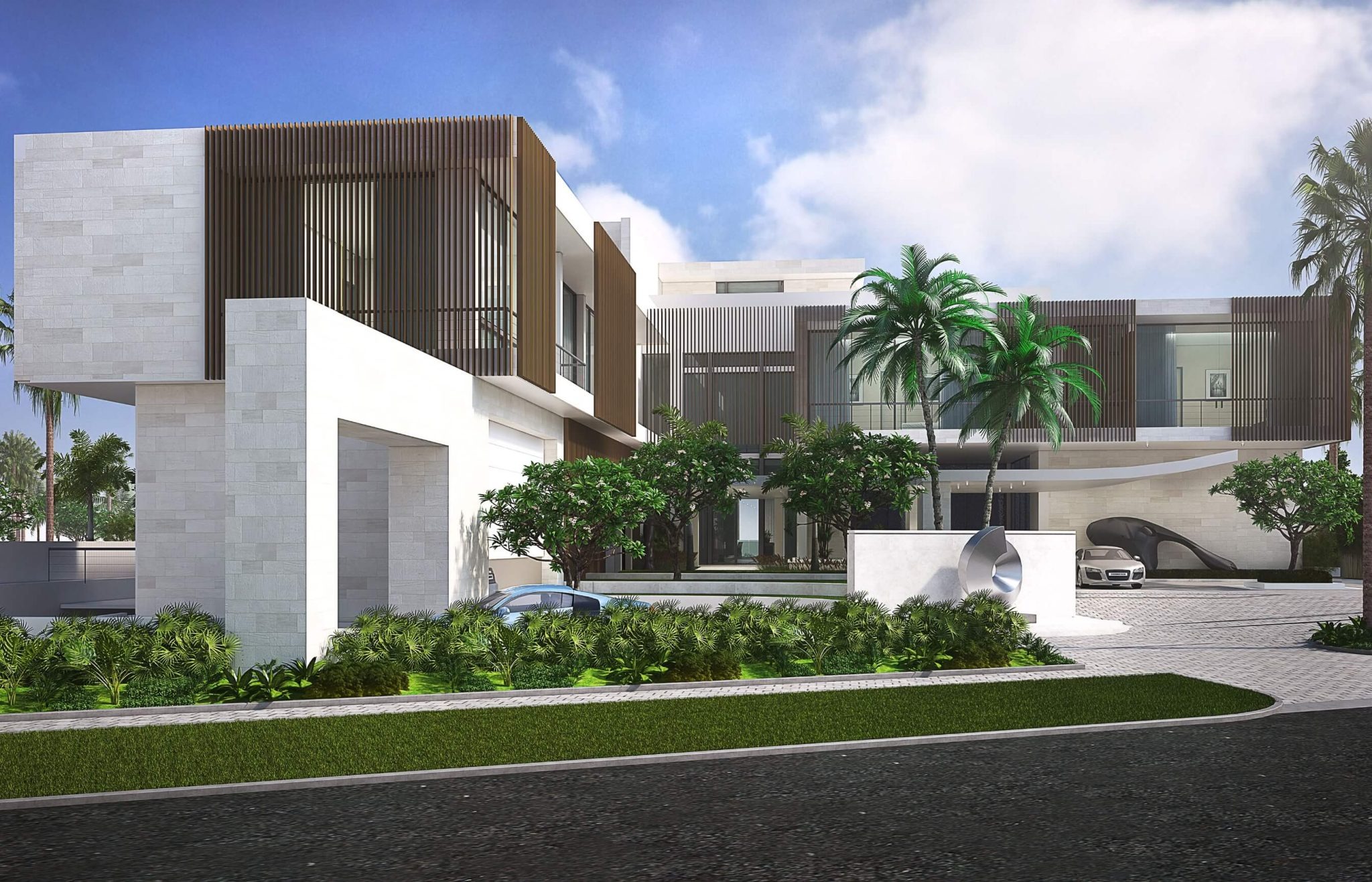
Dubai property listings often describe a home by the name of the community around it rather than by the street it sits on. That habit reflects how the city has grown. Most of Dubai’s residential supply is delivered inside large, planned districts, and the quality of that district shapes daily life and long-term value as much as the house itself. For anyone comparing villas and townhouses in 2026, understanding the master community model is a practical first step.
What Is a Master Community in Dubai?
A master community is a large residential development planned as a single, unified district. One master developer designs the land use, road network, utilities, parks, schools, retail and leisure facilities before individual homes are built. Smaller developers or the master developer itself then deliver clusters of villas, townhouses and apartments inside that framework.
The model differs from a standalone building on an existing street. A master community behaves like a small town with its own character. Entrances are often gated, architectural guidelines keep the streetscape consistent, and shared amenities are managed centrally. Well-known examples include Arabian Ranches, which Emaar launched in 2004 as an early villa-focused community, and Dubai Hills Estate, which is built around an 18-hole championship golf course.
How Villas and Townhouses Fit Into the Master Plan
Villas and townhouses are the natural housing types of master communities because the format supports low-density, family-oriented living. Land is allocated in clusters, with each cluster given its own landscaping, pedestrian paths, and play areas. Homes within a cluster tend to share a design language, which protects the visual quality of the neighborhood over time.
Townhouses generally offer a lower entry price and a compact footprint, often with two or three levels, a small garden and a parking space. Detached villas provide more land, more privacy, and larger plots, and they typically sit at a higher price point. Both formats usually carry freehold title in designated areas, which allows eligible foreign buyers to own the property outright. Many residential communities also blend both types, along with apartments, so that a single district can serve first-time buyers, growing families, and long-term investors.
Why a Master Community Matters to Buyers
The master community model changes what a buyer is actually purchasing. The home is one part of a wider package, and several features of that package deserve attention.
- Infrastructure that arrives with the home. Roads, utilities, drainage, cycling tracks, and landscaped parks are planned, which reduces the risk of living beside an unfinished district.
- Amenities within reach. Schools, nurseries, clinics, supermarkets, mosques, sports courts and community centers are often positioned inside the boundary, shortening everyday trips.
- Consistent standards. Design guidelines and central management help keep common areas maintained and discourage unplanned changes that could affect neighboring owners.
- Safety and a quieter street life. Gated entry, internal speed limits, and car-light pedestrian zones appeal strongly to families with children.
- Resale and rental demand. Established communities with a clear identity usually attract steady tenant and buyer interest, because the lifestyle is easy to explain and compare.
These advantages are the reason many families rank the community above the individual property when drawing up a shortlist. A well-planned district can make an ordinary floor plan feel like a complete lifestyle.
Community character also varies widely. Some districts center on golf courses and manicured greenery, others on lagoons, marinas and waterfront promenades, and others on a quiet suburban feel with large parks and cycling routes. Each theme attracts a different kind of resident, which influences the social atmosphere, the type of retail that opens nearby, and the kind of tenants who look for homes there. Matching the theme to the household’s routine is often more important than matching a budget to the lowest price per square foot.
Service Charges and Rules to Understand
Shared facilities come with shared costs. Owners in master communities typically pay annual service charges that cover landscaping, security, cleaning of common areas, and amenity upkeep. Rates differ by community and by how much the district offers. A community with extensive parks, pools and clubhouses will generally cost more to maintain than a compact residential cluster.
Buyers should also expect community rules. These may cover exterior alterations, parking, pets, short-term letting and construction permissions. The rules exist to protect the character of the neighborhood, but they can limit what an owner is allowed to change. Reviewing the owners’ association guidelines before signing is a sensible step.
Master Communities and Off-Plan Buying
Master planning is especially relevant to off-plan purchases, where the finished neighborhood does not yet exist. Buyers rely on the master plan, the developer’s delivery record and the announced timeline for amenities. Those considering off-plan villas in Dubai benefit from a district whose roads, parks and facilities are phased in alongside the homes, since completed infrastructure tends to lift both daily comfort and resale appeal. Off-plan buying also commonly offers staged payment plans, which can make a larger villa or townhouse more manageable than a single outright payment.
Because the community is only partly built at launch, due diligence matters. Buyers can compare the master plan against what has already been delivered, check whether schools and retail are scheduled for early phases, and confirm that the project holds the required approvals. Developers with several projects across different master communities, such as Dubai Hills Estate, Dubai Islands and Mohammed Bin Rashid City, give buyers a wider choice of settings, from golf-course greenery to waterfront living.
Questions to Ask Before Choosing a Community
A short checklist helps turn a general preference into a confident decision.
- Who is the master developer, and what is its record of delivering planned amenities on schedule?
- Is the area designated freehold for the buyer’s nationality and ownership goals?
- How far is the community from workplaces, schools, and major highways at peak hours?
- What are the current service charges, and what do they include?
- Which amenities are already open, and which are still on the plan?
- Does the mix of villas, townhouses and apartments suit the intended use, whether family home, rental or resale?
Visiting at different times of day also reveals what a brochure cannot, including traffic flow, noise levels, and how busy the parks and shops appear on weekends.
Choosing the Right Fit
The best master community depends on priorities. Families often favor schools, parks and quiet cul-de-sacs. Investors tend to weigh rental demand, entry price, and the strength of the surrounding market. Buyers who work from home may value larger plots and flexible layouts, while professionals who commute daily may prefer a location with quick highway access.
Dubai’s planned districts offer something for each of these profiles, which is why the concept sits at the center of the market. A master community is more than a label on a listing. It is the framework that determines amenities, rules, costs, and long-term appeal. Buyers who study the master plan with the same care as the floor plan are better placed to choose a villa or townhouse that continues to suit their needs well beyond the day of purchase in 2026 and after.