
Sexual health is a core part of overall health, yet it is often the area people quietly put off. Many adults assume that if they feel fine, everything must be fine. Unfortunately, a large number of sexually transmitted infections cause no noticeable symptoms for weeks, months or even years. The good news is that getting checked has never been simpler, and booking a std test at home lets you learn your status without sitting in a crowded waiting room. Regular screening protects you, your partner and your long-term wellbeing, and it replaces guesswork and worry with clear answers.
Why “No Symptoms” Does Not Mean “No Infection”
Infections such as chlamydia, gonorrhoea, syphilis, HIV, hepatitis B, hepatitis C and trichomoniasis can stay silent in the body. Chlamydia, for example, is well known for producing no obvious signs in a large share of the people who carry it. Early syphilis may show up as a small, painless sore that disappears on its own, leading people to believe the problem has resolved when it has simply moved to a quieter stage. HIV can feel like a short bout of flu in the first weeks, then show nothing at all for years while it gradually weakens the immune system.
The World Health Organization estimates that more than one million curable sexually transmitted infections are acquired every day worldwide. That figure is a reminder that these infections are common, ordinary medical conditions rather than something that only happens to “other people”. Being common does not make them harmless, though. Left untreated, some infections can lead to pelvic inflammatory disease, chronic pelvic pain, fertility problems and complications in pregnancy. Others can affect the liver, the heart, the nerves or the brain over time. A simple std test is the only reliable way to know what is really going on, because your body may not give you any warning at all.
Who Should Get Tested?
The short answer is every sexually active adult, regardless of age, gender, relationship status or background. Screening is not a judgement about anyone’s lifestyle. It is routine preventive care, in the same way that checking blood pressure or cholesterol is routine. That said, some situations make testing especially sensible: starting a relationship with a new partner, having more than one partner, deciding to stop using condoms with a long-term partner, planning a pregnancy, learning that a current or former partner has been diagnosed with an infection, or noticing any unusual symptoms such as discharge, burning, sores, rashes or pelvic pain.
How often you test depends on your circumstances. Many health authorities suggest that sexually active adults screen at least once a year, while people with new or multiple partners may benefit from testing every three to six months. Your doctor can help you decide on a schedule that fits your situation. The important thing is to make screening a habit rather than a one-off reaction to a scare.
Breaking the Silence Around Sexual Health
For many people, the biggest barrier to testing is not cost or time but embarrassment. There is still a lingering stigma attached to sexual health, and some adults worry about being seen at a clinic, being asked uncomfortable questions or having their results shared with others. These concerns are understandable, but they should never stand between you and your health. Healthcare professionals see these tests every single day, and a confidential std test is handled with the same discretion and respect as any other medical investigation. Talking openly with partners also helps. Suggesting that you both get tested is a sign of care and maturity, not mistrust. Couples who screen together often find that it builds trust, removes unspoken anxiety and allows them to make informed decisions about protection and contraception.
The Rise of Home-Based Testing
Busy work schedules, long commutes and the discomfort of visiting a clinic have all pushed people to look for more convenient options. That is why so many adults now choose a std test home visit instead of a traditional appointment. With home testing, a qualified nurse or phlebotomist comes to your door at a time you choose, collects the required samples and takes them to an accredited laboratory for analysis.
Home testing works especially well for people who value discretion and flexibility. Samples are collected in the privacy of your own space, and nobody else needs to know why the healthcare professional is visiting. You also avoid taking time off work, arranging transport or sitting in a public waiting area. Results are typically shared securely, either by a doctor on a call or through a protected digital report. Because the samples are processed by the same kind of licensed laboratories that hospitals use, the accuracy is not compromised. In short, choosing a std test at home gives you the reliability of a clinic with the comfort of staying where you feel most at ease. For anyone who has been putting off screening because of time or awkwardness, it removes the two biggest excuses at once.
What Does a Full Screening Include?
A full std test usually combines blood and urine samples, and sometimes swabs, to check for a range of infections in one visit. A comprehensive panel commonly covers:
- Chlamydia and gonorrhoea, typically detected through a urine sample or swab using highly sensitive molecular testing.
- Syphilis, checked through a blood sample.
- HIV, usually tested with a modern combined antigen and antibody blood test.
- Hepatitis B and hepatitis C, which affect the liver and are detected through blood.
- Trichomoniasis, a common and very treatable parasitic infection.
- Herpes, which may be included in some panels, although testing without symptoms has limitations your doctor can explain.
Testing for one infection alone can give a false sense of security, because it is possible to have more than one infection at the same time. A broad panel gives you a much clearer and more complete picture in a single step.
Understanding Window Periods
One detail that many people overlook is the “window period”, which is the time between possible exposure and the point when a test can reliably detect an infection. Testing too early may produce a negative result even if an infection is present. As a general guide, chlamydia and gonorrhoea can often be detected around one to two weeks after exposure, while syphilis, HIV and hepatitis infections may take several weeks or longer to show up clearly. If you have had a specific recent exposure, a doctor may recommend testing now and then repeating certain tests later to confirm the result. When in doubt, ask, because getting the timing right matters just as much as getting tested.
Finding the Right Service Without the Stress
When people decide it is time to get checked, the first thing many do is search for std testing near me and then scroll through a long list of clinics, opening hours and directions. Home-based services simplify that process by bringing the test to you, so the nearest option is effectively your own front door.
Price is another common concern. The good news is that affordable std testing is increasingly available, with packages designed to suit different needs and budgets. It is worth being careful, though, when you come across a very cheap std test online. A low price should never come at the expense of proper sample handling, licensed laboratory processing or access to a doctor who can explain your results. The best value comes from a service that is transparent about what each package includes, which infections are covered and how follow-up care works.
When comparing providers, look for qualified medical staff, accredited laboratory partners, clear pricing with no hidden charges, secure handling of your personal information and the option to speak with a doctor afterwards. A private and accurate std test at home should tick every one of these boxes. Reliability and respect for your privacy are not optional extras; they are the foundation of good sexual healthcare.
Testing in Dubai: Convenience That Fits Your Life
For residents of the UAE, life often moves at a fast pace, and finding a free hour during clinic opening times can feel impossible. Booking a std test Dubai at home service means a licensed healthcare professional can visit your apartment, villa, hotel room or even your office at a time that suits you, including early mornings, evenings and weekends with many providers. This flexibility makes it far easier to keep up with regular screening, whether you are a long-term resident, a frequent traveller or someone who has recently moved to the city.
Home visits also suit people who prefer extra discretion. There is no need to explain your appointment to colleagues or worry about being recognised in a waiting room. Your samples are collected quietly, processed by a licensed laboratory and your results are shared with you directly.
Looking Beyond Sexual Health: Your Complete Picture
Sexual health screening is one important piece of a bigger puzzle. Many people who arrange STI testing at home also take the opportunity to check their general health during the same visit. A full body blood test at home can look at a wide range of markers, including blood sugar, cholesterol, liver and kidney function, thyroid hormones and key vitamins such as vitamin D and B12. Combining these checks into one appointment saves time and gives you and your doctor a broader view of your wellbeing.
One of the most useful tests in any routine panel is the cbc blood test, also known as a complete blood count. It measures your red blood cells, white blood cells, haemoglobin and platelets. Changes in these values can point to issues such as anaemia, infection, inflammation or other conditions that deserve a closer look. Because some sexually transmitted infections, such as HIV and hepatitis, can affect the blood and immune system over time, a complete blood count can add helpful context to your overall results.
Whether you need a single blood test or a full panel, the principle is the same: early information leads to earlier action. Many health conditions, including several sexually transmitted infections, are far easier to manage when they are found before they cause lasting damage.
What Happens If a Result Is Positive?
Receiving a positive result can feel overwhelming at first, but it is important to keep it in perspective. Many common infections, including chlamydia, gonorrhoea, syphilis and trichomoniasis, are curable with the right treatment. Others, such as HIV and hepatitis B, are now highly manageable with modern medicine, allowing people to live long, healthy and active lives.
A doctor will explain what your result means, recommend treatment and advise you on when to retest. They can also guide you on how to let recent partners know, so they can get tested and treated too. This step is an act of responsibility and care, and it helps stop infections from being passed on further. Avoid sexual contact until your doctor confirms that treatment is complete, and follow the full course of any medication you are prescribed, even if symptoms improve quickly.
Simple Habits for Ongoing Sexual Wellbeing
Testing is most powerful when it is part of a wider routine. A few practical habits can make a big difference:
- Make screening regular. Add it to your yearly health checklist, or test more often if your situation calls for it.
- Use protection consistently. Condoms greatly reduce the risk of many infections, although they do not remove every risk.
- Talk openly with partners. Honest conversations about testing and history build trust and support better decisions.
- Ask about vaccines. Vaccines are available for hepatitis B and HPV, and your doctor can tell you whether you would benefit from them.
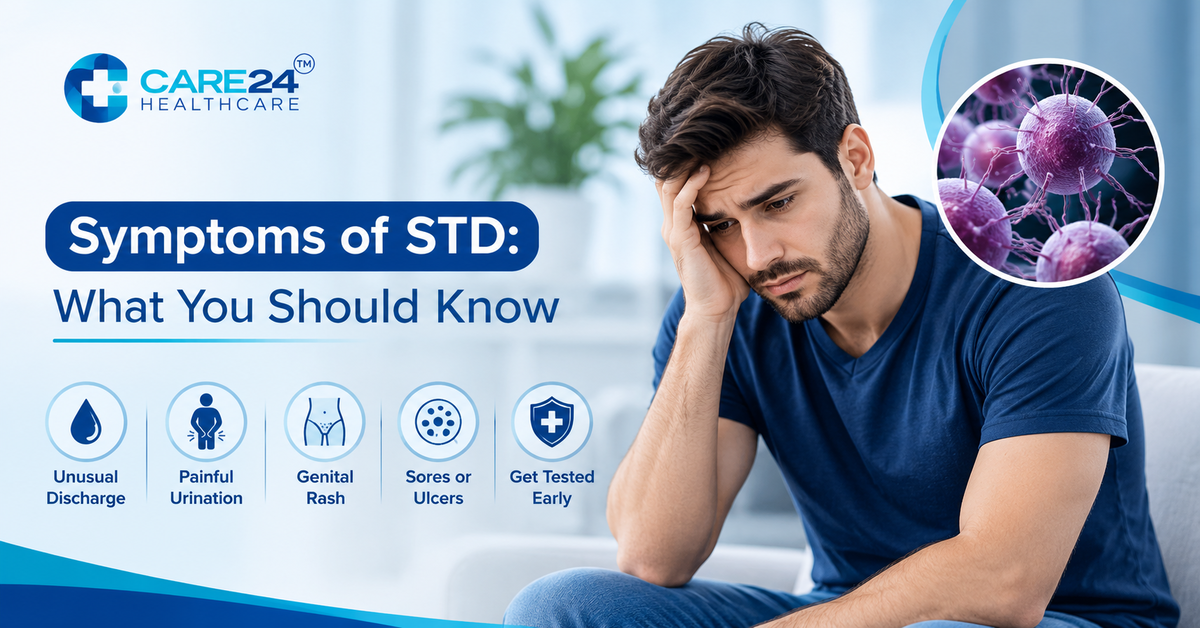
- Do not ignore symptoms. Unusual discharge, pain, sores or rashes deserve prompt medical attention, even if they seem minor.
Final Thoughts: Knowledge Is Protection
Knowing your status is one of the simplest and most responsible things you can do for yourself and the people you care about. Sexually transmitted infections are common, frequently silent and, in most cases, very treatable when found early. The only way to be sure is to get tested.
Today, there is no reason to let embarrassment, busy schedules or uncertainty stand in the way. With discreet home visits, accredited laboratory testing and professional medical support, screening can fit easily into everyday life. Take the step, book your test and give yourself the peace of mind that comes from knowing exactly where you stand.