
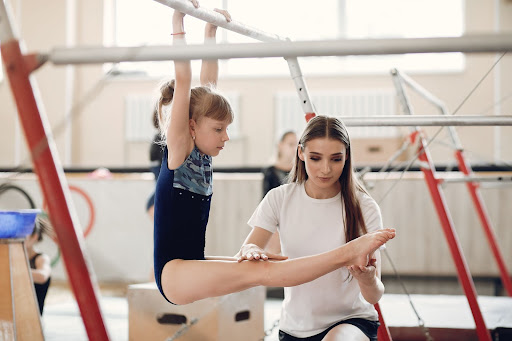
The early years of childhood are filled with discovery, movement, and new experiences. Toddlers naturally enjoy exploring their surroundings, climbing, jumping, balancing, and testing their physical abilities. These everyday activities are more than just play: they help children develop essential physical, cognitive and social skills. One way to encourage this natural curiosity in a safe and structured environment is through gymnastics.
With growing interest in early childhood activities, toddler gymnastics in Dubai has become an appealing option for parents looking to combine physical activity, entertainment and developmental benefits. Specially designed gymnastics sessions introduce young children to movement through age-appropriate exercises, playful activities and simple challenges.
Developing Essential Motor Skills
One of the most important benefits of gymnastics for toddlers is the development of fundamental motor skills. At this age, children are still learning how to control their bodies, coordinate movements and maintain balance.
Gymnastics activities often include crawling through tunnels, walking along low balance equipment, climbing soft structures and practising simple jumps. These movements help strengthen muscles and improve coordination.
Gross motor development is particularly important during toddlerhood because it provides the foundation for more complex physical activities later in life. As children become more confident in their movements, they gradually develop better stability, body awareness and control.
Gymnastics also introduces basic movement patterns that can support participation in other sports and physical activities as children grow older.
Encouraging Confidence and Independence
Trying something new can be a significant experience for a toddler. Whether climbing a small structure, stepping across a balance beam or completing a simple obstacle course, each activity provides an opportunity to develop confidence.
Instructors usually introduce challenges gradually, allowing children to explore movements at their own pace. Completing a small task can give toddlers a sense of achievement and encourage them to try something slightly more challenging next time.
These experiences can also support independence. Rather than relying entirely on adults to guide every movement, children begin making simple decisions, exploring different approaches and discovering what their bodies can do.
The emphasis should always be on participation and enjoyment rather than performance or competition.
Learning Through Play
Play is one of the most effective ways for young children to learn. Toddlers are naturally curious, and activities that combine movement with imagination can help maintain their interest.
Gymnastics classes frequently incorporate colourful equipment, music, games and imaginative themes. For example, children might pretend to move like different animals, jump over imaginary rivers or navigate an obstacle course inspired by an adventure.
These activities make physical exercise enjoyable while introducing basic concepts such as direction, distance, speed and spatial awareness.
Following simple instructions also encourages listening skills and concentration. Children gradually learn to recognise when it is their turn, understand basic movement sequences and respond to guidance from instructors.
Building Social Skills
Although gymnastics involves individual movement, group classes also provide valuable opportunities for social development.
Toddlers can observe other children, participate in shared games, and become familiar with simple group routines. These experiences introduce important social concepts, including taking turns, sharing space, and respecting others.
For children who are beginning to spend more time outside the family environment, attending a gymnastics class can also help them become comfortable in new social settings.
Parents may notice that regular participation makes children more willing to interact with unfamiliar adults and peers. However, every toddler develops social confidence differently, so classes should provide a welcoming environment without forcing interaction.
Creating Healthy Habits from an Early Age
Introducing enjoyable physical activities during childhood can help establish positive attitudes towards movement.
Toddlers do not need intense workouts or complicated training programmes. Instead, they benefit from regular opportunities to move, explore and develop physical abilities through play.
Gymnastics offers a structured environment where movement becomes an enjoyable part of the routine. It can complement other activities such as outdoor play, walking, swimming and playground visits.
For parents, choosing an appropriate class means looking beyond the equipment and facilities. Qualified instructors, age-specific activities, suitable group sizes and well-maintained equipment are all important considerations.
Choosing the Right Gymnastics Class
Not every gymnastics programme is designed for toddlers. Young children need activities that reflect their developmental stage, attention span and physical abilities.
Parents should look for programmes that prioritise safety, exploration and positive encouragement. Classes should use age-appropriate equipment, provide adequate supervision and allow children to progress naturally without unnecessary pressure.
It is also worth considering whether parents are expected to participate. Some programmes offer parent-and-toddler sessions, which can be particularly helpful for younger children who are still becoming comfortable in group environments.
A good introductory class should leave children feeling engaged and encouraged rather than overwhelmed.
Final Thoughts
Gymnastics can offer toddlers much more than an opportunity to burn off energy. Through playful movement, children can develop coordination, balance, confidence, independence, and early social skills.
For families exploring toddler gymnastics Dubai, choosing a programme that combines professional guidance with age-appropriate play can be a valuable step towards supporting healthy childhood development.
Ultimately, the goal is not to prepare toddlers for competitive gymnastics but to give them the freedom to explore movement, enjoy new experiences, and build a positive relationship with physical activity from an early age.