
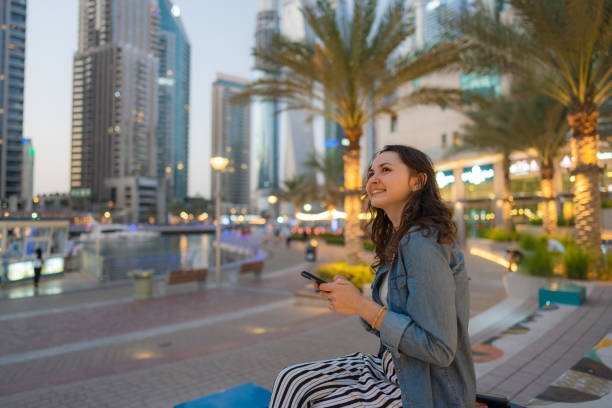
Dubai Internet City is one of the most important technology and business districts in Dubai. Established in 1999, the area was created to support technology companies, attract international businesses and help Dubai develop a strong knowledge-based economy. More than 25 years later, it has grown into a major regional technology hub with thousands of businesses, global companies, startups and a large community of professionals.
The district is located along Sheikh Zayed Road and is well connected to the rest of the city by road and public transport. Its central location also puts it close to Dubai Media City, Dubai Knowledge Park, Barsha Heights, Palm Jumeirah and Dubai Marina, making it a convenient area for both businesses and professionals.
If you’re planning to visit the area, attend a business meeting, look for an office or simply want to understand one of Dubai’s major commercial districts, this guide covers its location, metro station, companies, business environment, nearby attractions and practical information.
What Is Dubai Internet City?
Dubai Internet City is a specialised technology and business community developed to bring technology companies, entrepreneurs and skilled professionals together in one location. It was officially unveiled on 29 October 1999 as part of Dubai’s wider plans to establish itself as a regional centre for technology and the knowledge economy. TECOM says the district has since supported the growth of more than 4,000 businesses and a community of over 31,000 professionals.
The district has evolved considerably since its early years. What began as a dedicated technology destination now covers a broad range of digital industries, including artificial intelligence, cloud computing, cybersecurity, software, fintech, big data and other emerging technologies. Its ecosystem brings large multinational companies together with startups and smaller technology businesses, creating opportunities for collaboration and knowledge sharing.
This combination is one of the main reasons the area has remained relevant as Dubai’s economy has developed. Rather than functioning simply as a collection of office buildings, it provides an environment where companies can access infrastructure, talent, business services and connections with other organisations operating in the technology sector.
Dubai Internet City Location
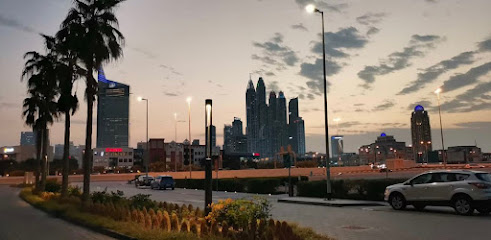
The district is situated along Sheikh Zayed Road, one of Dubai’s main transport and business corridors. Its location places it between several well-known commercial and residential communities, including Dubai Media City, Dubai Knowledge Park and Barsha Heights, while Dubai Marina and Palm Jumeirah are also relatively close.
This makes the area particularly convenient for professionals who live or work in western parts of Dubai. It is also useful for companies that need easy access to major roads and public transport while remaining close to other business communities.
For visitors, the location means you can combine a business appointment with other activities in the surrounding area. For example, someone attending a meeting can continue towards Dubai Marina or Palm Jumeirah afterwards rather than spending a large part of the day travelling across the city.
Location at a Glance
| Detail | Information |
|---|---|
| Emirate | Dubai, UAE |
| Main road | Sheikh Zayed Road |
| Nearest Metro | Dubai Internet City Metro Station |
| Metro Line | Red Line |
| Main purpose | Technology and business |
| Established | 1999 |
| Businesses | 4,000+ |
| Professionals | 31,000+ |
The combination of highway and metro access is one of the area’s biggest practical advantages. It allows employees, visitors and business partners to reach the district without depending entirely on private cars.
Dubai Internet City Metro Station
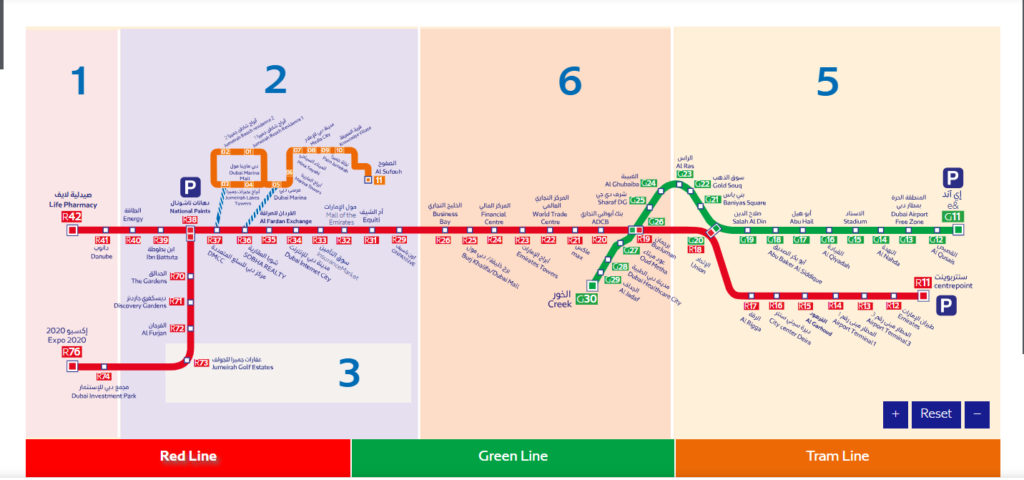
Dubai Internet City Metro Station is located on the Dubai Metro Red Line and provides direct access to the business district. The current Roads and Transport Authority network identifies the station as R34 on the Red Line.
This makes the metro a convenient option for people travelling from Downtown Dubai, Business Bay, Dubai Mall and other areas served by the Red Line. Passengers travelling from the Green Line can also change to the Red Line at an interchange station such as Union or BurJuman.
RTA advises passengers using the metro to have a valid nol card, maintain sufficient balance and follow the digital screens and station announcements during their journey.
How to Reach the Area by Metro
If you’re already close to the Red Line, the journey is straightforward. Simply travel in the direction of the station and exit at the relevant stop. From the station, you can continue towards your specific office, hotel or destination in the surrounding business district.
If you’re travelling from another part of Dubai, check your route before leaving because your fastest journey may involve changing lines. During busy commuting periods, the metro can also be a practical alternative to driving along Sheikh Zayed Road.
Companies in the Technology District

One of the biggest attractions of this business community is its concentration of international technology companies and innovative businesses. TECOM reports that the district has more than 4,000 businesses, including multinational companies, Fortune 500 organisations and startups.
Major names associated with the ecosystem include Google, Microsoft, Oracle, IBM, SAP, Huawei, Amazon, Visa, Mastercard, PayPal and Nvidia. The presence of companies operating across different parts of the technology sector has helped create a diverse professional environment rather than one focused on a single type of business.
The range of companies also reflects how Dubai’s technology economy has changed. Traditional software and hardware businesses now operate alongside companies working in artificial intelligence, cloud services, cybersecurity, fintech and other emerging fields.
Some Major Companies and Sectors
| Company | Main Area |
|---|---|
| Technology, cloud and digital services | |
| Microsoft | Software and cloud |
| Oracle | Enterprise technology and AI |
| IBM | Technology and consulting |
| SAP | Enterprise software |
| Huawei | Telecommunications and technology |
| Amazon | Cloud and digital services |
| Nvidia | Artificial intelligence and computing |
| Visa | Financial technology |
| PayPal | Digital payments |
This variety makes the district attractive to professionals from different backgrounds. Someone working in software development may find opportunities in the same wider ecosystem as people working in cybersecurity, marketing, finance, artificial intelligence or business development.
Business Opportunities and Startups
The area isn’t limited to large multinational companies. Startups and growing businesses are also an important part of its ecosystem. TECOM’s in5 Tech programme provides support for entrepreneurs and technology startups, while innovation and research centres create opportunities for businesses to develop and test new ideas.
According to TECOM, startups and entrepreneurs in the wider ecosystem have raised AED 8 billion in funding over the years, with companies such as Careem and Souq among notable names connected with its legacy.
This startup environment is important because young companies often benefit from being close to established businesses. It can make networking, recruitment, partnerships and access to expertise easier than operating in isolation.
The district also hosts community and networking activities designed to connect professionals and encourage knowledge sharing. TECOM says the community has hosted hundreds of events since 2021, including platforms such as Backyard Talks and Connected Mornings.
Innovation and Technology
Innovation is a major part of the area’s identity. TECOM reports that the community includes around 20 Innovation and Research & Development Centres, operated by companies and organisations working on new technologies. These facilities support research and development across areas such as artificial intelligence, cloud computing and digital services.
One of the most significant recent developments is the expansion of Innovation Hub. Phase 4 was launched with an investment of AED 615 million and adds 263,000 square feet of gross leasable area. TECOM says the development responds to demand from global companies for modern office space and infrastructure supporting future-focused industries.
The expansion shows that Dubai’s technology ecosystem is continuing to develop rather than remaining dependent on the infrastructure established in the early 2000s.
Jobs and Professional Opportunities

With more than 31,000 professionals, the technology community is also an important employment centre. TECOM says the district has facilitated the creation of more than 125,000 jobs since it was established.
Job opportunities can cover a wide range of fields. Software engineering, artificial intelligence, cybersecurity and cloud computing are obvious examples, but technology companies also need professionals in sales, marketing, finance, human resources, project management and customer support.
The international nature of the district is another important feature. TECOM has reported that professionals from many different countries form part of the community, creating a multicultural working environment that reflects Dubai’s wider international business landscape.
For someone looking to build a technology career in Dubai, being close to this concentration of companies can provide access to networking opportunities and a wider range of potential employers.
Offices and Business Setup
Businesses looking to establish themselves in the area can benefit from purpose-built office infrastructure and sector-specific support. TECOM’s business districts are designed to accommodate multinational companies, small and medium-sized businesses and startups, with commercial facilities and related business services available through its ecosystem.
The right office option depends on the company’s size, budget and working requirements. A small startup may need a flexible workspace, while an established technology company may require a larger dedicated office for employees and client meetings.
Companies should check current licensing, office availability and business setup requirements directly with the relevant authority before making a decision because fees, packages and regulations can change.
Restaurants and Everyday Life
Although the area is primarily known as a business and technology district, it is also designed around the needs of a large working population. Employees and visitors can find cafes, restaurants and everyday services in and around the surrounding commercial buildings.
Lunch spots are particularly useful for office workers who don’t want to travel far during working hours. The wider neighbourhood also provides accommodation and retail options, making it possible for professionals to live, work and socialise within a relatively compact part of Dubai.
If you’re visiting for a meeting, it’s worth checking the exact location of the office beforehand. The district contains many buildings, so knowing the building name or address can save time when you arrive.
Things to Do Near the Area
The technology district is primarily a working business community rather than a traditional tourist attraction, but its location gives visitors plenty of options nearby.
Dubai Media City is close by and provides another specialised business community focused on media and creative industries. Dubai Marina is also nearby and offers restaurants, waterfront walks and entertainment, while Palm Jumeirah provides beaches, hotels, restaurants and major attractions.
If you have a few hours after a business meeting, you can easily combine your visit with one of these destinations. This is particularly convenient for business travellers who want to experience more of Dubai without spending too much time travelling between different parts of the city.
Why Is This Area Important to Dubai?
The importance of this technology hub goes beyond the companies operating from its offices. TECOM says the district contributes around 65% of Dubai’s technology-sector GDP, while an impact assessment found an economic contribution of AED 100 billion to Dubai’s GDP over a 15-year period.
These figures highlight its role in Dubai’s strategy to diversify the economy and strengthen sectors beyond traditional industries. Technology, artificial intelligence and digital services are becoming increasingly important to the city’s future, and the district provides an established ecosystem for companies operating in these fields.
Its continued investment in innovation infrastructure also suggests that the business community is being developed for future technologies rather than simply maintaining its existing office stock.
Frequently Asked Questions
What is Dubai Internet City known for?
It is known as a major technology and digital business hub with multinational companies, startups, innovation centres and a large community of technology professionals. The district has played an important role in developing Dubai’s digital economy since 1999.
Where is Dubai Internet City located?
The district is located along Sheikh Zayed Road in Dubai, close to Dubai Media City, Dubai Knowledge Park, Barsha Heights, Dubai Marina and Palm Jumeirah.
Which Metro station serves the area?
The main station is Dubai Internet City Metro Station, which is on the Dubai Metro Red Line and is identified as R34 by RTA.
Which companies are based in the district?
The business community includes major international technology companies such as Google, Microsoft, Oracle, IBM, SAP, Huawei, Amazon, Visa, PayPal and Nvidia, alongside startups and other businesses.
When was the technology hub established?
It was established in 1999 as part of Dubai’s plans to build a knowledge-based economy and attract technology companies to the emirate.
Is it a good place for technology jobs?
Yes. The district has more than 31,000 professionals and thousands of businesses, creating opportunities across software, AI, cloud computing, cybersecurity, finance, marketing and other technology-related fields.
Is the area worth visiting?
It can be worthwhile if you’re interested in technology, business or Dubai’s modern commercial districts. It is not primarily a tourist attraction, but its central location makes it easy to combine with Dubai Marina, Palm Jumeirah and other nearby destinations.
Is it suitable for startups?
Yes. The combination of startup support, innovation centres, established technology companies and access to skilled professionals makes the district suitable for technology startups and growing businesses.
Final Thoughts
Dubai’s technology district has developed from a specialised business initiative launched in 1999 into a major regional digital ecosystem. Thousands of companies and more than 31,000 professionals now form part of the community, while global technology brands, startups and research centres continue to expand their presence.
For visitors, its location on Sheikh Zayed Road and direct access to the Red Line make it convenient to reach. For businesses, the attraction is the combination of specialised infrastructure, international companies, skilled talent and innovation opportunities.
If you’re visiting for work, allow some extra time to explore the surrounding areas. Dubai Marina, Palm Jumeirah and Dubai Media City are all close enough to turn a business trip into an opportunity to experience another side of the city.
